



As third-party tracking weakens, first-party data becomes a competitive advantage. The teams that win are not just collecting emails, they are building a structured data system that improves segmentation, ad efficiency, and retention.
What first-party data should include
- Identity data: email, phone, account IDs
- Behavior data: viewed pages, product interest, session patterns
- Transaction data: order history, average order value, lifecycle stage
- Preference data: channel choice, category interests, frequency tolerance
Step 1: Build ethical collection points
Collection should feel useful, not intrusive. Offer value exchange through calculators, templates, checklists, or personalized recommendations.
- Lead forms with clear benefit
- Newsletter capture with topic preferences
- Checkout opt-in flows
- Post-purchase profiling surveys
Privacy Principle: Collect less, label better, activate smarter.
Step 2: Standardize data architecture
- Define naming conventions for events and properties.
- Map data fields across analytics, CRM, and ad platforms.
- Create one source of truth for lifecycle stage labels.
- Set refresh frequency for critical segments.
Step 3: Create high-impact segments
- High-intent non-buyers
- New customers within first 30 days
- Lapsed high-value customers
- Category-specific repeat buyers
Step 4: Activate across channels
Email and lifecycle automation
Use behavior-triggered flows instead of static newsletters.
Paid media suppression and lookalikes
Exclude converted users and build quality seed audiences.
On-site personalization
Adapt messaging based on lifecycle stage and category interest.
Step 5: Measure with practical attribution
- Track first touch and assisted touch impact.
- Measure blended CAC by segment, not only by channel.
- Monitor retention and repeat purchase rate as core outcomes.
90-day implementation roadmap
- Month 1: data audit and event standardization
- Month 2: build top 4 segments and activation flows
- Month 3: optimize targeting, suppression, and retention journeys
Final takeaway
First-party data is no longer a technical side project. It is a growth system. With clean architecture, useful segmentation, and channel activation discipline, marketing becomes more efficient even in a privacy-first environment.
Start with a small, auditable lead record
For a small service business, a useful first version can be one CRM record per enquiry. Define the fields before connecting more platforms. The following is a proposed working template, not a legal compliance checklist.
- lead_id: an internal identifier used to reconcile outcomes without putting contact details into analytics.
- created_at and source: enquiry time, landing page and campaign naming where available.
- requested_service: the problem the customer wants help with.
- stage and stage_updated_at: new, contacted, qualified, proposal, won or lost.
- contact preference and permission record: distinguish handling an enquiry from optional promotional follow-up.
- owner and next_action: who follows up and when.
Run a five-record acceptance check
Create clearly labelled test enquiries from organic search, a tagged campaign link and a direct visit. Confirm that each arrives once, that its owner is set, and that a later qualification updates the same record. Test a failed form submission and a withdrawn marketing preference as well. Resolve duplicate records and missing permissions before audience activation.
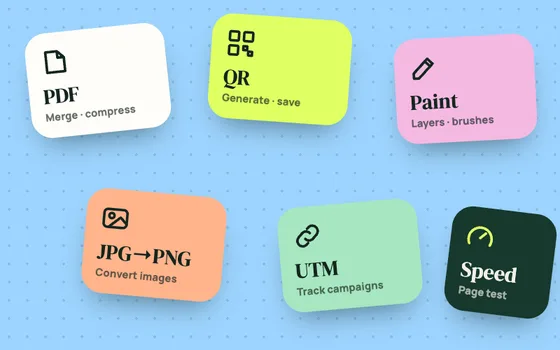
A website click to WhatsApp is a contact attempt, not proof of a qualified lead. Reconcile the conversation in your CRM rather than inflating the analytics result. Use the UTM builder, the conversion tracking checklist and the email automation playbook to connect the workflow.