

Most businesses know they need better tracking. Fewer know what that actually means. Server-side tracking is one of the most useful upgrades because it shifts measurement processing from the browser into a server-side container, giving you more control over how events are collected, cleaned, and routed. Google says this can improve performance and security, and it also creates more room for privacy controls and cleaner integrations.
For Oman businesses, this is not just a technical exercise. Lead gen often happens across forms, calls, WhatsApp clicks, and CRM follow-up. If your tracking only sees part of that journey, your Google Ads and GA4 reporting will understate what is really happening. Server-side tagging, combined with Consent Mode, helps close that gap without pretending privacy does not matter.
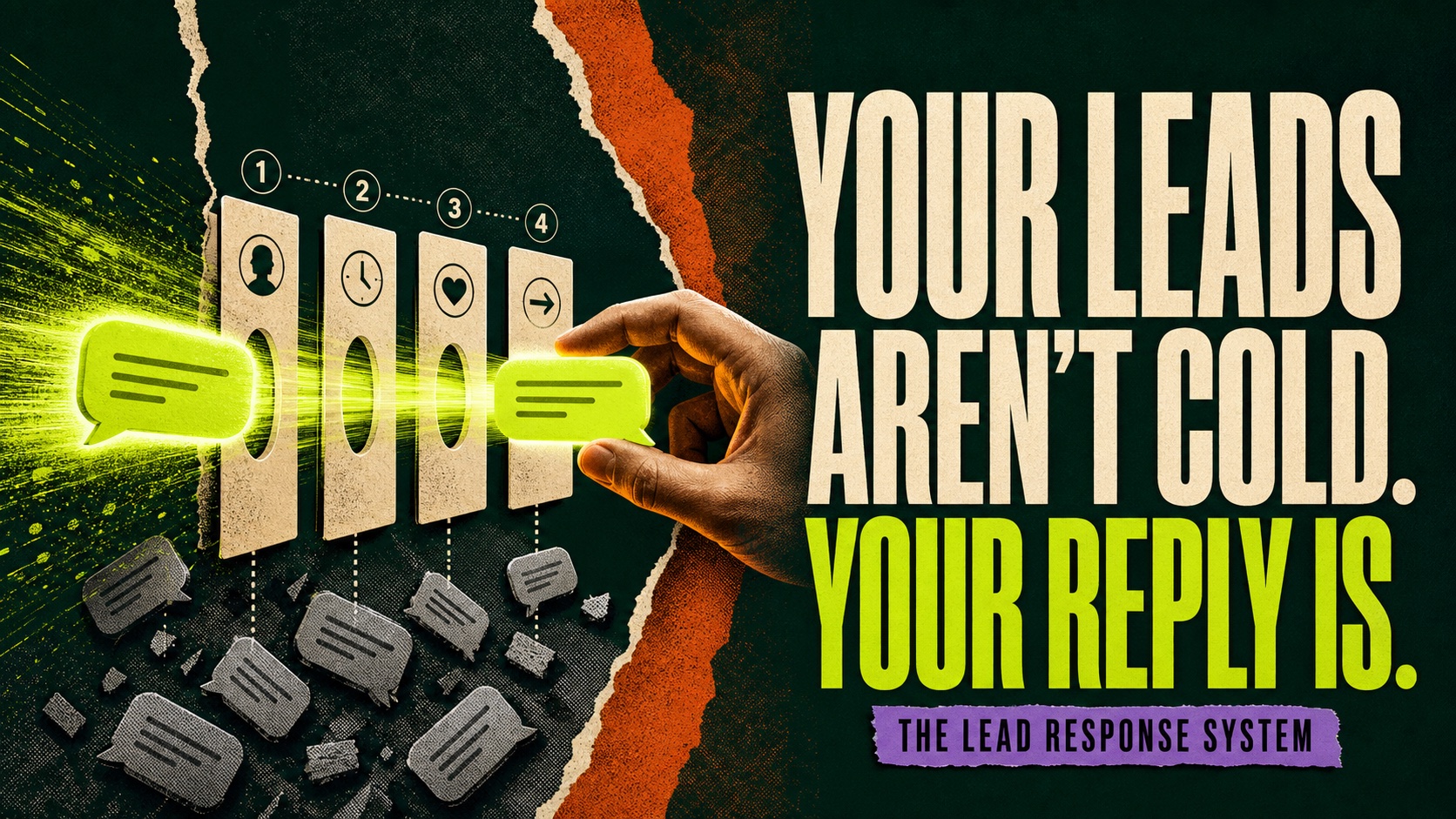
The measurement flow that makes sense
What server-side tracking actually does
In a standard setup, the browser sends tags directly to your analytics and ad platforms. With server-side tagging, the browser still records the event, but your server container becomes the middle layer that processes and forwards it. That gives you more control over payloads, cookies, and routing.
| Area | Client-side only | Server-side setup |
|---|---|---|
| Browser dependency | Events depend more heavily on browser behavior and script execution. | Some processing moves to a managed server container. |
| Data control | Less control once data leaves the page. | You can redact, transform, or route events before they are forwarded. |
| Performance | More measurement code runs in the browser. | Fewer browser-side tags can reduce page overhead. |
| Privacy handling | Consent logic still matters, but the browser is doing more of the work. | Server-side routing can support stronger governance if it is configured correctly. |
Why this matters for Oman businesses
- Many leads happen in channels that are not perfect for browser-only measurement.
- WhatsApp, calls, and CRM follow-up often finish the conversion after the click.
- Local businesses need cleaner attribution to know which campaigns produce qualified leads.
- Consent expectations are rising, so the measurement stack has to be more deliberate.
What to set up first
Start with the events that represent real business value. Do not begin with ten minor page interactions. Start with the signals your sales team cares about.
- Form submits for contact, quote, or booking.
- Click-to-call events on mobile and desktop.
- WhatsApp button clicks.
- High-intent actions like brochure downloads or consultation requests.
- Offline or CRM updates when a lead becomes qualified.
Consent Mode still matters
Server-side tracking is not a loophole around consent. Google’s Analytics documentation explains that Consent Mode communicates the user’s consent choice and changes how tags behave based on that state. That means your consent banner, your consent settings, and your tracking plan all have to work together.
- Use a consent banner or CMP that actually records the user choice.
- Make sure default and updated consent states are implemented correctly.
- Check that Google Ads and GA4 receive the consent signals they need.
- Verify the setup before you trust the numbers in reports.
Common mistakes to avoid
- Trying to deploy server-side tracking before the data layer is clean.
- Assuming server-side tracking fixes bad campaign strategy.
- Ignoring deduplication when you send browser and server events together.
- Turning off browser-side checks and never validating the server flow.
- Using privacy language that does not match the actual implementation.
A practical 14-day rollout plan
- Days 1 to 3: Audit current events, consent logic, and conversion definitions.
- Days 4 to 6: Decide which events belong in GA4, Google Ads, and CRM.
- Days 7 to 10: Build the server container and route your first events.
- Days 11 to 12: Validate the Measurement Protocol and compare browser vs server data.
- Days 13 to 14: Turn on reporting, review duplicates, and document what changed.
Best mindset: server-side tracking is a measurement upgrade, not a magic growth lever. It is most valuable when the business already knows what it wants to measure and why those events matter.
References worth reading
Final takeaway
Server-side tracking is worth the effort when your business needs cleaner attribution, better control, and stronger privacy handling. It will not rescue a weak funnel, but it can make a good funnel much easier to measure and improve. For Oman businesses, that usually means better decisions, fewer false assumptions, and a much clearer view of what is actually driving leads.