


Reviews are not a marketing decoration added after service. They are the public memory of what the business repeatedly does.
For a restaurant, clinic, salon, garage, hotel, showroom or professional service in Oman, the review profile often sits beside the phone button, directions, photos and opening hours at the exact moment someone is deciding. Yet many businesses manage it with a sticker at the till and panic whenever a one-star review arrives.
The better model is a loop: deliver a review-worthy moment, invite honest feedback without pressure, respond like a responsible operator, convert useful attention into a clear next step and feed recurring themes back into the business.
Reliable service, clear communication and thoughtful recovery give customers something real to describe.
Use one optional link or QR code at a natural moment after the experience.
Reply for the reviewer and for the next hundred people who may read the exchange.
Tag recurring praise and friction, assign owners and improve the experience that creates future reviews.
The metric that matters is not “more five-star reviews”
A target that rewards staff only for review volume or rating can create pressure, cherry-picking and suspicious patterns. Google explicitly says businesses should not require staff to solicit a quota of reviews, selectively ask only happy customers or request specific wording. A healthier goal is consistent, genuine feedback from eligible customers, followed by timely response and operational learning.
Ethical request
- Ask customers with a genuine experience
- Invite an honest review in neutral language
- Make it optional and easy to skip
- Use the official review link or QR code
- Protect customer privacy
Manipulation
- Discounts, gifts or entries for reviews
- Ask “happy” customers while filtering others
- Demand five stars or suggested keywords
- Ask staff, family or suppliers to pose as customers
- Trade benefits for deleting criticism
The review was earned before the QR code appeared.
A garage sends a photo of the worn part, explains the estimate, confirms approval and returns the car when promised. At handover, the advisor says, “If this was useful, you’re welcome to share an honest Google review—the link is on your receipt.” The request works because the customer already has a specific story to tell. The code only removes friction.
Choose the right request moment
| Business | Natural moment | Channel |
|---|---|---|
| Restaurant or café | After payment or a positive service exchange—not while staff hover | Receipt, table card or thank-you message |
| Clinic | After the administrative journey is complete; never expose health details | Neutral follow-up with privacy-safe wording |
| Home service | After the customer confirms completion | Invoice email or WhatsApp close-out |
| Hotel or tour | After checkout or the completed experience | Post-stay email or message |
| B2B service | After a meaningful milestone, delivery or result | Personal email from the account owner |
| Retail | After the product and service have been experienced | Receipt, packaging insert or CRM follow-up |
“Thank you for choosing [business]. If you’d like to share your honest experience, you can leave a Google review here: [link]. Your feedback helps our team understand what worked and what we should improve.”
Design a request system customers can trust
Generate the review link or QR code from the Business Profile. Test it on iPhone and Android before printing anything.
Assign who checks new reviews, who replies and who handles serious complaints. Shared passwords are not an operating model.
Use the same honest invitation regardless of whether the customer seems delighted, quiet or critical.
Make phone, email or WhatsApp support easy—but do not use it to divert unhappy customers away from public feedback.
Reply to the next customer, not only the reviewer
Owner responses are public. They demonstrate whether the business listens, explains clearly and takes responsibility. Google recommends professional, relevant, concise and conversational replies; it also warns against sharing private information.
| Review type | Useful response structure | Avoid |
|---|---|---|
| Specific praise | Thank them, reflect the detail and recognise the team or experience naturally | The same generic thank-you pasted everywhere |
| Mixed review | Acknowledge both the positive and the friction; say what can improve | Ignoring the criticism because the rating is still good |
| Service failure | Show empathy, own verified facts, explain the next private step and follow through | Arguing, blaming or publishing customer details |
| Unclear complaint | State that you want to investigate and provide a clear contact route | Demanding proof in public |
| Policy violation | Flag through Google’s process and keep any public reply calm and factual | Threats or a social-media pile-on |
“Hi [name], I’m sorry the wait and update did not meet the standard we aim for. I’m checking what happened with the team. Please contact [role] at [safe contact method] with your visit date so we can identify the booking privately and respond properly.”
Turn review language into business intelligence
Once a week, tag new reviews using a small vocabulary: staff, speed, cleanliness, communication, value, quality, parking, availability, delivery, booking and recovery. Count themes by location and month. Read the words, not only the star average.
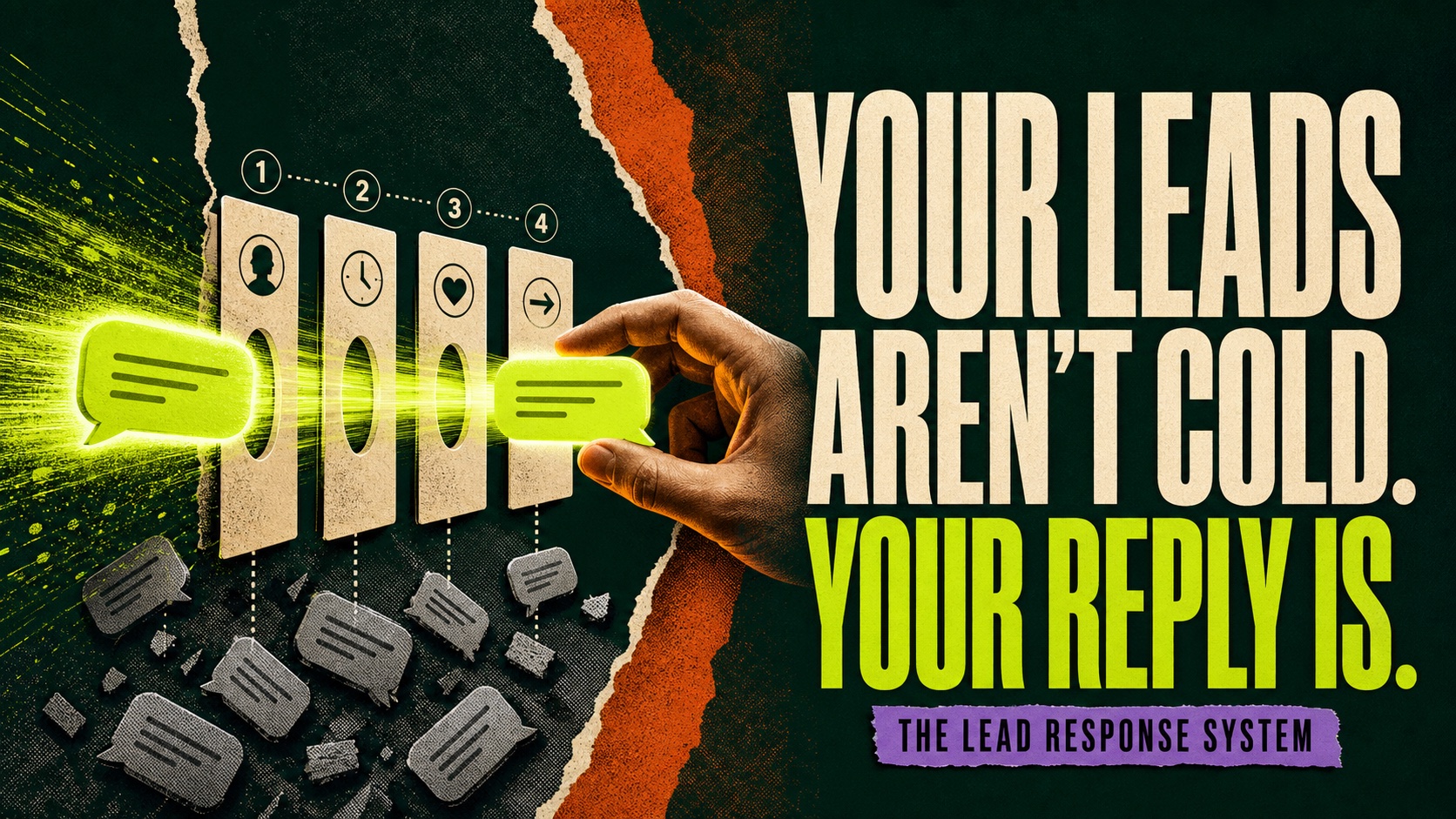
Then connect the themes to decisions. If “difficult to find” appears repeatedly, fix Maps directions, signage and arrival instructions. If one staff member is named for excellent explanations, turn that behaviour into training. If “no reply” appears, repair the lead response system. Reviews are a free research stream only when someone acts on them.
Use review insights in marketing—carefully
- Update service pages with the real questions and proof customers repeatedly mention.
- Improve Business Profile photos, categories, hours, services and descriptions when reviews expose expectation gaps.
- Ask permission before reusing a customer’s words, name or image in ads or website testimonials.
- Do not add your own LocalBusiness star-rating markup to make self-controlled testimonials look like Google review results; follow current structured-data policies.
- Compare branded search, calls, directions and qualified enquiries over time—but do not pretend reviews alone caused every change.
The 30-minute weekly reputation routine
The reputation flywheel
The sequence is simple but demanding: better experience creates better stories; neutral requests make those stories easier to share; thoughtful responses show how the business behaves; recurring themes improve the next experience. Build that loop and reviews become more than stars. They become public trust, customer research and an operating discipline.
Policy and setup sources: Google Business Profile guidance on requesting and responding to reviews, creating a review link or QR code, and Google Maps policy on fake engagement and rating manipulation.