

A strong marketing stack should make work easier, not more complicated. The best tools help a team research, publish, track, and improve without adding too much overhead. For most Oman marketers, a lean stack is better than a crowded one.
Choose tools by job, not by brand name
The first question is not which tool is popular. The first question is what job needs to get done. A tool should solve a real problem: keyword research, analytics, reporting, ad tracking, content planning, or file sharing.
If a tool does not help the team move faster or make better decisions, it is probably adding noise instead of value.
- Research and planning tools
- Analytics and reporting tools
- Ad management and tracking tools
- Content and productivity tools
Keep the stack small but complete
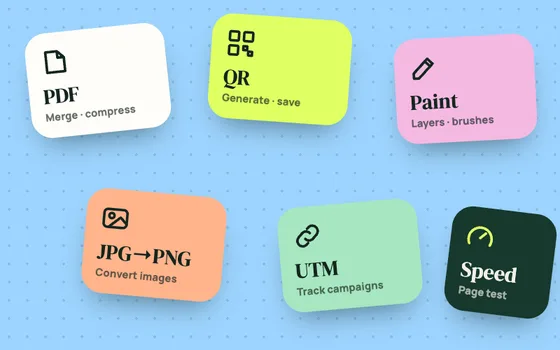
A complete stack does not need to be huge. It needs to cover the important jobs without duplication. One tool for search research, one for analytics, one for design or content, and one for communication may be enough for a small team.
When too many tools overlap, people stop using them consistently and reporting becomes messy.
- Keep one source of truth for analytics
- Avoid paying for overlapping subscriptions
- Pick tools the team will actually use weekly
- Review the stack every few months
Make the tools fit your workflow
The best setup is the one that matches how the team already works. A good workflow might begin with research, move into content creation, then flow into publishing, tracking, and review. The tools should support that movement, not interrupt it.
When the workflow is tidy, the team spends less time exporting data and more time acting on it.
- Use one shared dashboard for core metrics
- Store briefs and assets where the team can find them
- Use recurring review sessions to check performance
- Document how each tool supports the workflow
Use tools to improve decisions
Tools are useful because they reduce uncertainty. They show which topics perform, which campaigns waste spend, and which pages support conversions. The better the tool setup, the easier it becomes to make decisions confidently.
That is the real value. Not the software itself, but the clarity it creates.
- Track only the metrics that matter to the business
- Review trends, not one-off spikes
- Use tool output to decide the next action
- Replace manual work where it saves meaningful time
Practical rule: a simple tool stack that is used consistently will outperform a bigger stack that nobody touches.
Official references
- Google Analytics 4 events - Useful when the stack includes measurement and reporting.
- About conversion measurement in Google Ads - Relevant if the tool stack includes paid campaign tracking.
- Learn about Meta Pixel - Useful when the stack includes Meta ad tracking.